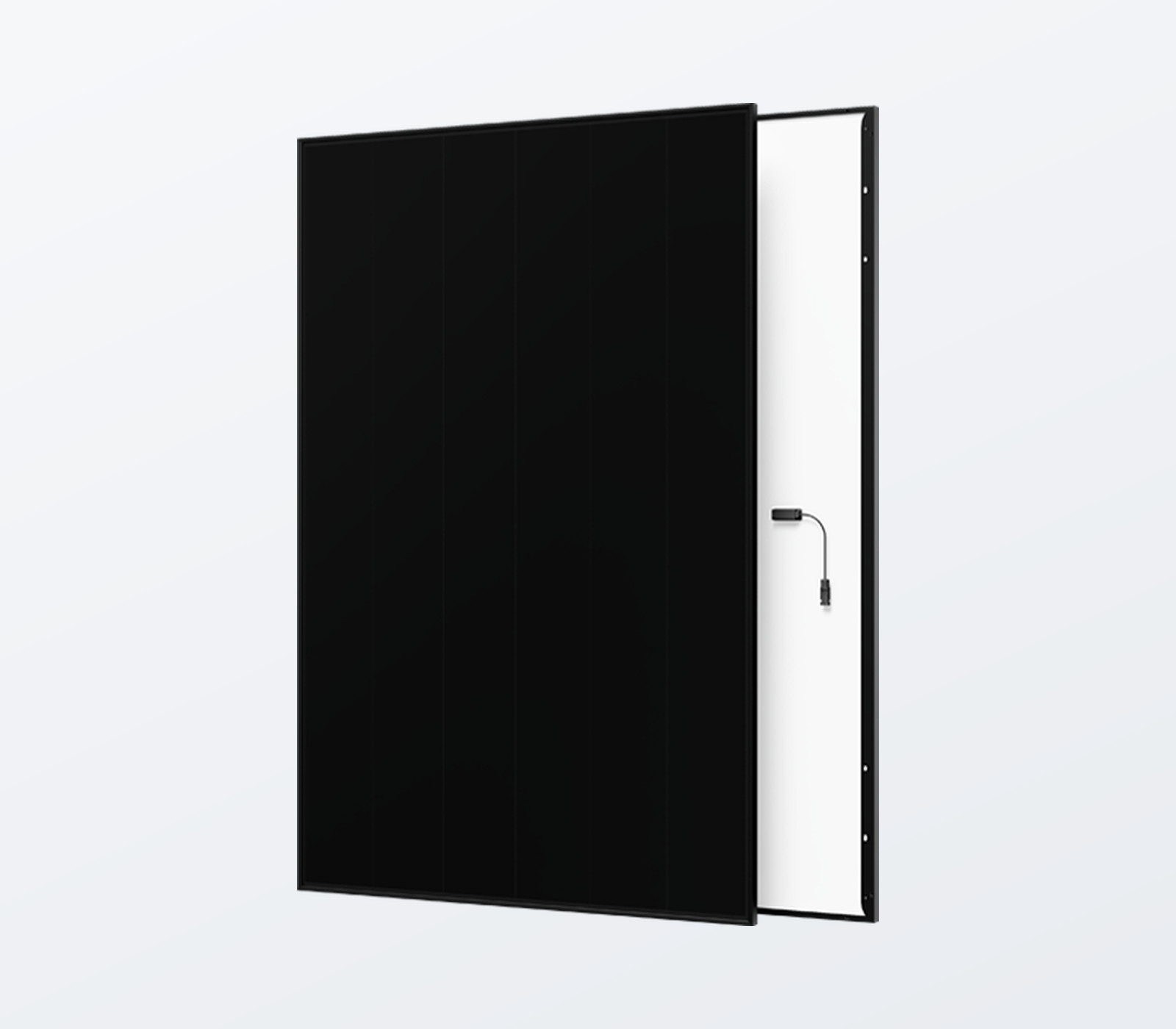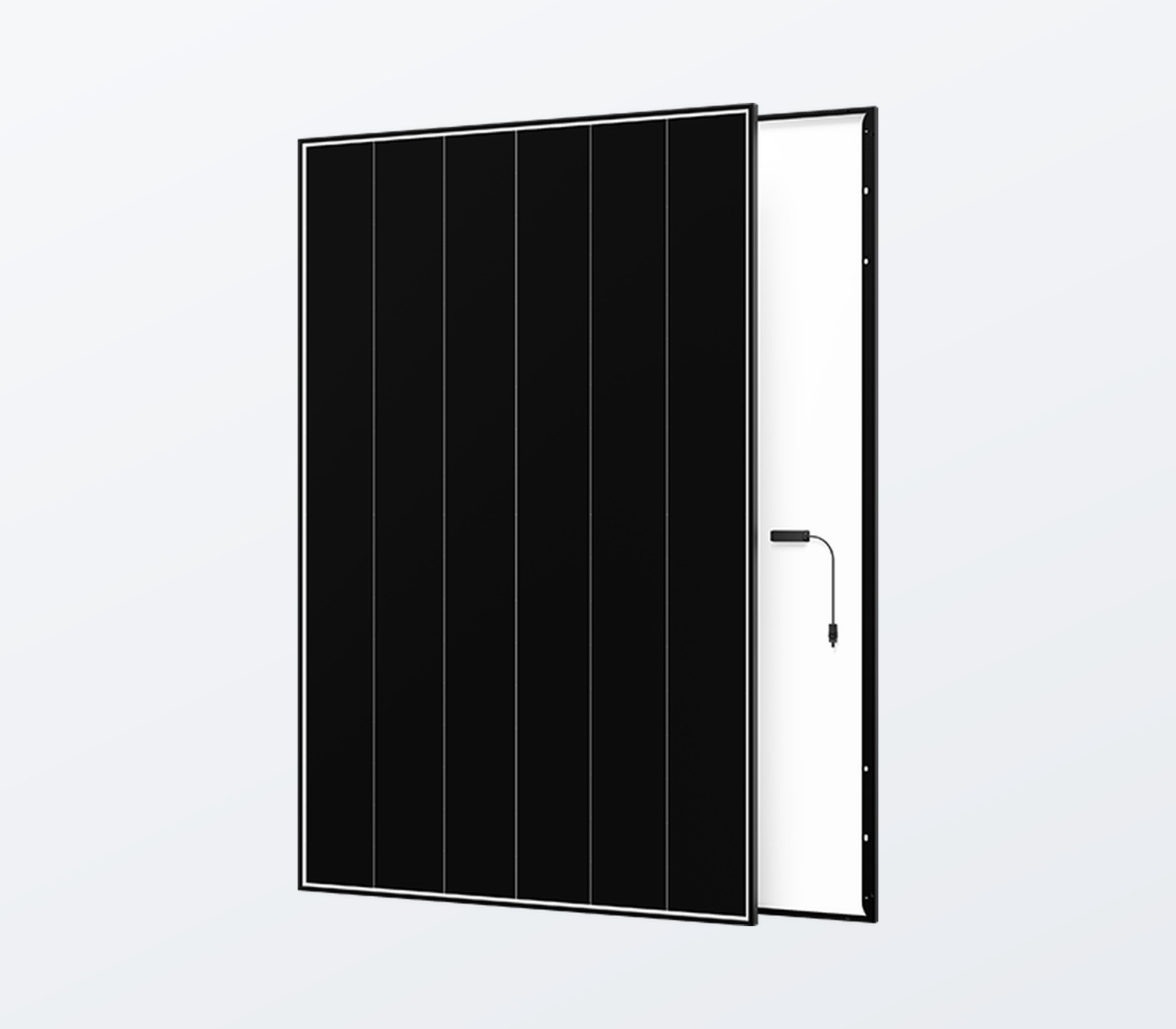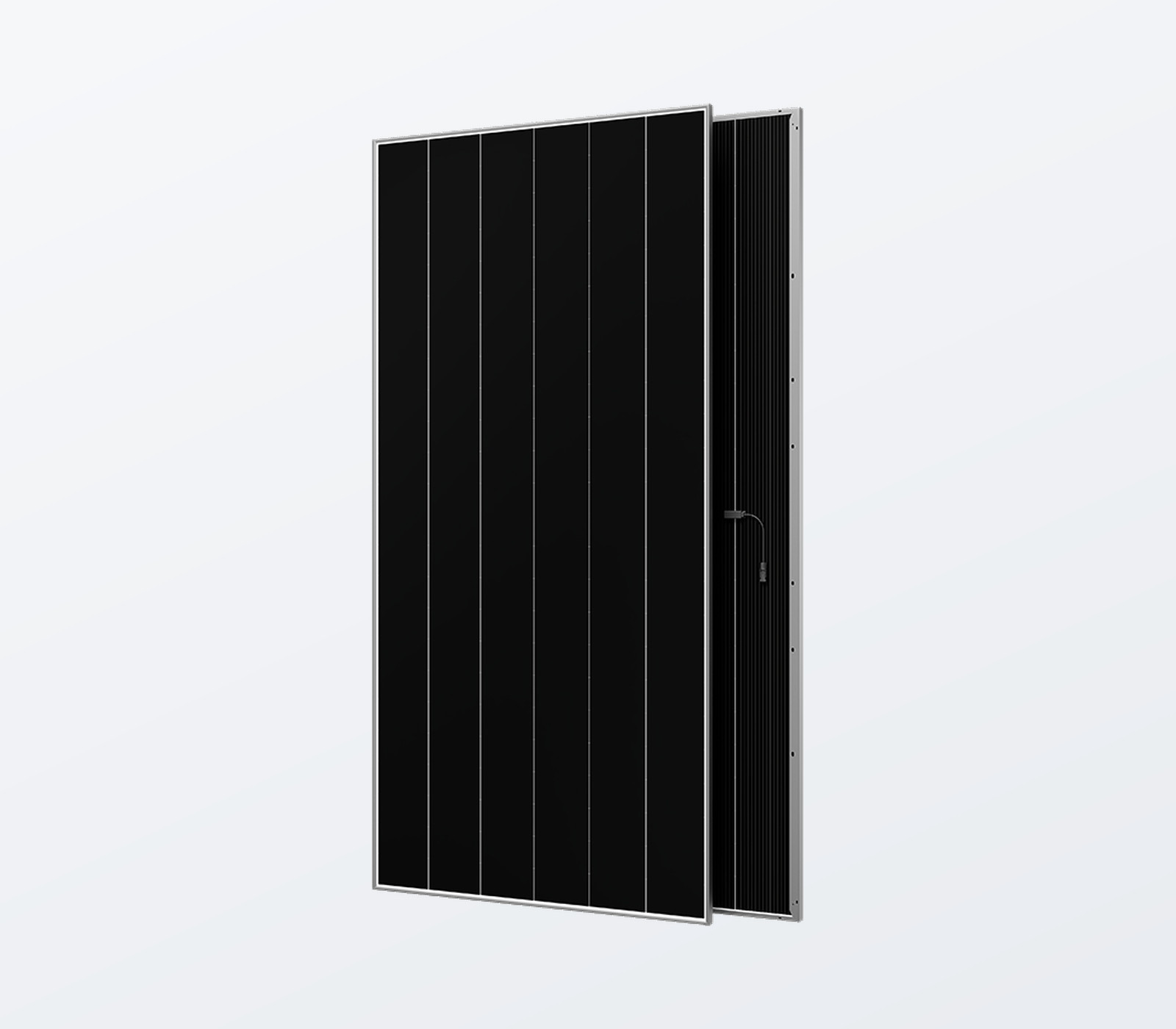
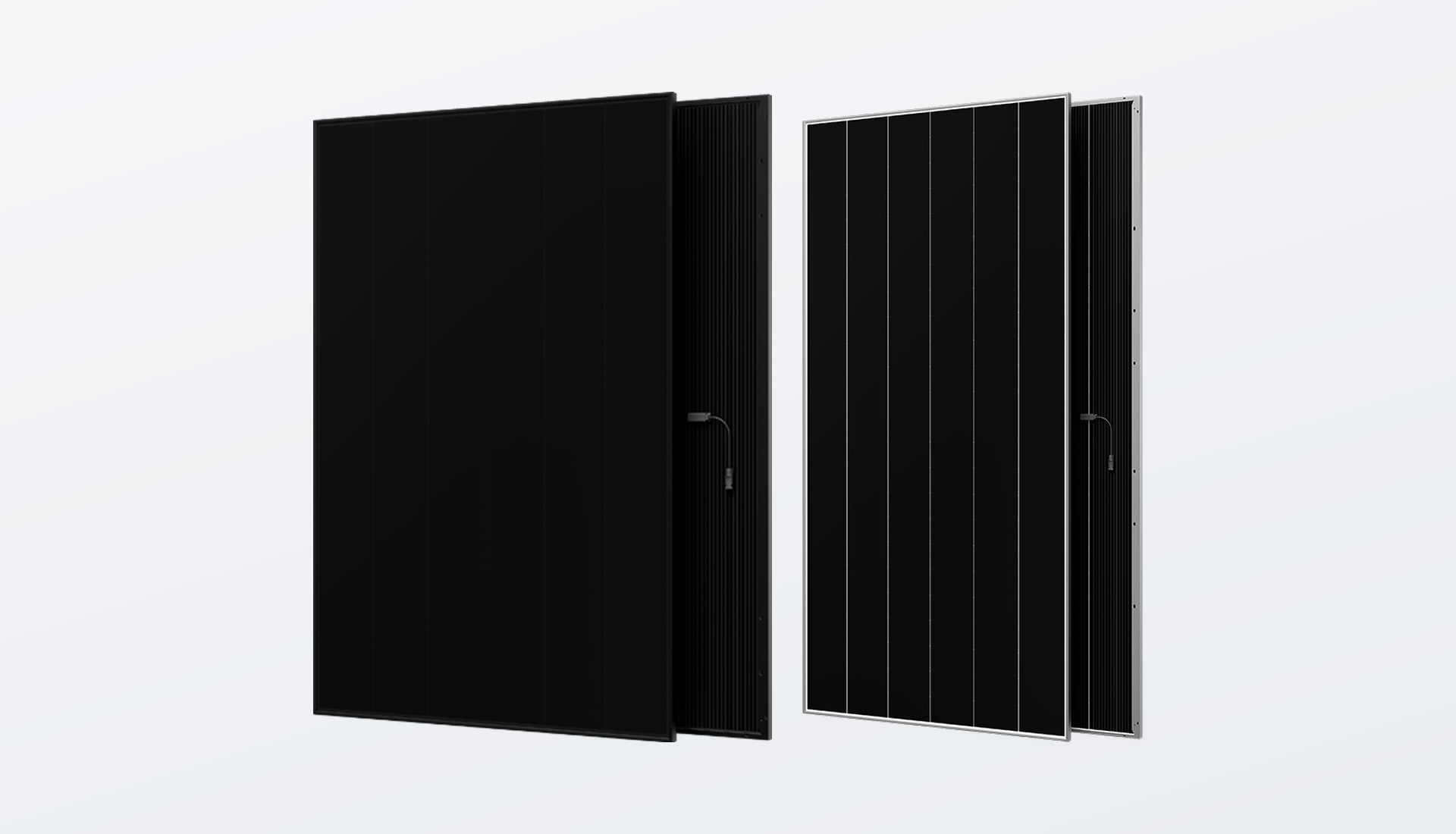
A module technology label is a useful starting point, but it is not a complete buying specification. An EPC buyer needs to know how a particular module fits the site, the electrical design and the commercial agreement. TOPCon, PERC and HJT describe different cell approaches. The right choice depends on the complete product, not the acronym printed on a quotation.
Start with the project constraints
For a roof with limited usable area, compare module efficiency and total installed capacity after allowing for setbacks, access paths and obstructions. A physically larger module may offer more watts per unit while producing a less convenient layout. On a ground project, transport, handling, row geometry and mounting compatibility can matter as much as nameplate power.
Create a shortlist using actual dimensions, weight and approved clamp zones. Check whether crews can handle the selected format safely and whether the support structure was designed for that module size. These practical checks should happen before a purchasing decision is reduced to cell technology.
Understand the technology differences
PERC adds rear-side passivation to a crystalline silicon cell. It remains a useful comparison point for projects using established module formats. TOPCon uses a passivating contact arrangement, commonly in N-type cells, to reduce electrical losses. HJT combines crystalline silicon with thin amorphous silicon layers and transparent conductive layers.
These approaches can produce different efficiency, temperature and degradation characteristics. However, the final module also depends on its cell interconnection, glass construction, encapsulation and manufacturing quality. Do not transfer a favorable characteristic from one technology overview to every model using that technology. Ask for model-specific evidence and compare the same test conditions.
Compare electrical behavior at your site
Nameplate power is measured under standard test conditions: 1000 W/m² irradiance, 25°C cell temperature and an AM1.5 spectrum. Operating cells are often hotter than the surrounding air. The temperature coefficient of maximum power helps estimate the direction and size of output changes as cell temperature rises.
Cold conditions matter too. Check the module open-circuit voltage and its temperature coefficient against the lowest design temperature and maximum system voltage. Confirm string current, short-circuit current and the inverter input limits. A higher-current module can require changes to electrical equipment even when its power rating looks attractive.
Evaluate bifacial construction separately
Bifaciality describes the relative electrical response of the rear side under defined conditions. It is not the percentage of additional annual energy that a project will receive. Rear irradiance depends on ground reflectance, mounting height, row spacing, shading and other site features.
If a quotation assumes a rear-side gain, ask the designer to document the assumptions. For roofs close to an opaque surface, a bifacial module may offer limited rear exposure. Compare projected energy using a consistent simulation method, and review whether glass-glass construction changes handling, structural loading or installation requirements.
Make procurement evidence part of selection
Request the latest datasheet, model-specific test documentation, warranty terms and packing information. Distinguish product warranty coverage from linear power warranty coverage, and review exclusions, claim procedures and responsible legal entities. A long warranty statement alone cannot establish product quality or long-term project economics.
Finish with a coordinated comparison covering usable capacity, modeled energy, system changes, logistics and agreed commercial terms. SolarNova supplies genuine AIKO-brand ABC modules and is not their manufacturer. Use the exact AIKO product page and manufacturer datasheet for module values; mounting catalog figures remain indicative and require project confirmation. Send the site location, module schedule and required documents with your RFQ so the final selection can be reviewed as a complete project package.
Contact SolarNova with your module shortlist, quantity and destination to discuss AIKO module supply and the documentation required for your project.