A useful solar mounting RFQ allows suppliers to price the same scope and identify missing design inputs early. A request for “mounting for one megawatt” leaves too many assumptions open: module dimensions, terrain, attachment conditions and document requirements can all change the quantity and specification of components. A structured brief produces a more useful technical and commercial comparison.
Define the site and application
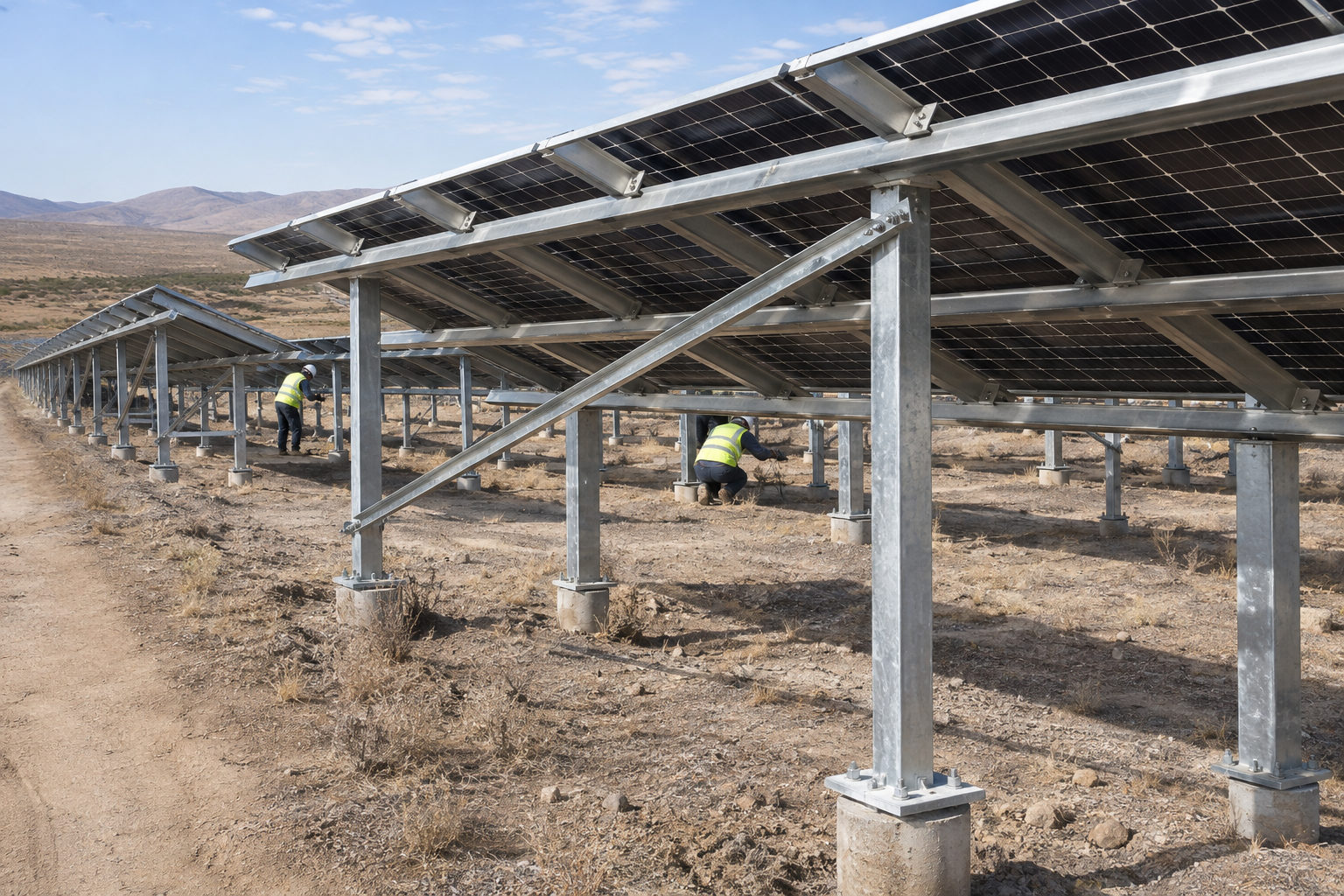
Provide the project location, intended installation type and target capacity. Include drawings or a dimensioned sketch showing array boundaries, access routes, obstacles and relevant elevations. For rooftops, identify roof pitch, covering profile, substrate thickness and structural member spacing. For ground systems, provide topography and available geotechnical information.
State the applicable design requirements and identify the party responsible for structural approval. Include project wind, snow, seismic and corrosion exposure inputs where known. If these are not yet established, mark them as pending. A supplier should clearly identify its assumed inputs rather than silently filling those gaps with generic values.
Fix the module schedule
Share the module datasheet and planned quantity, including dimensions, mass, frame height and permitted clamping zones. Specify portrait or landscape orientation and any preferred row configuration. Record tilt angle, clearance and maintenance access requirements. If modules have not been selected, provide a bounded range and request separate options.
Changing a module after quotation can affect rail lengths, support spacing, clamp positions and packing quantities. Ask bidders to state which module configuration their proposal assumes. This makes later changes visible and helps avoid comparing quotations that rely on different array geometries or incomplete component counts.
Describe the supply boundary
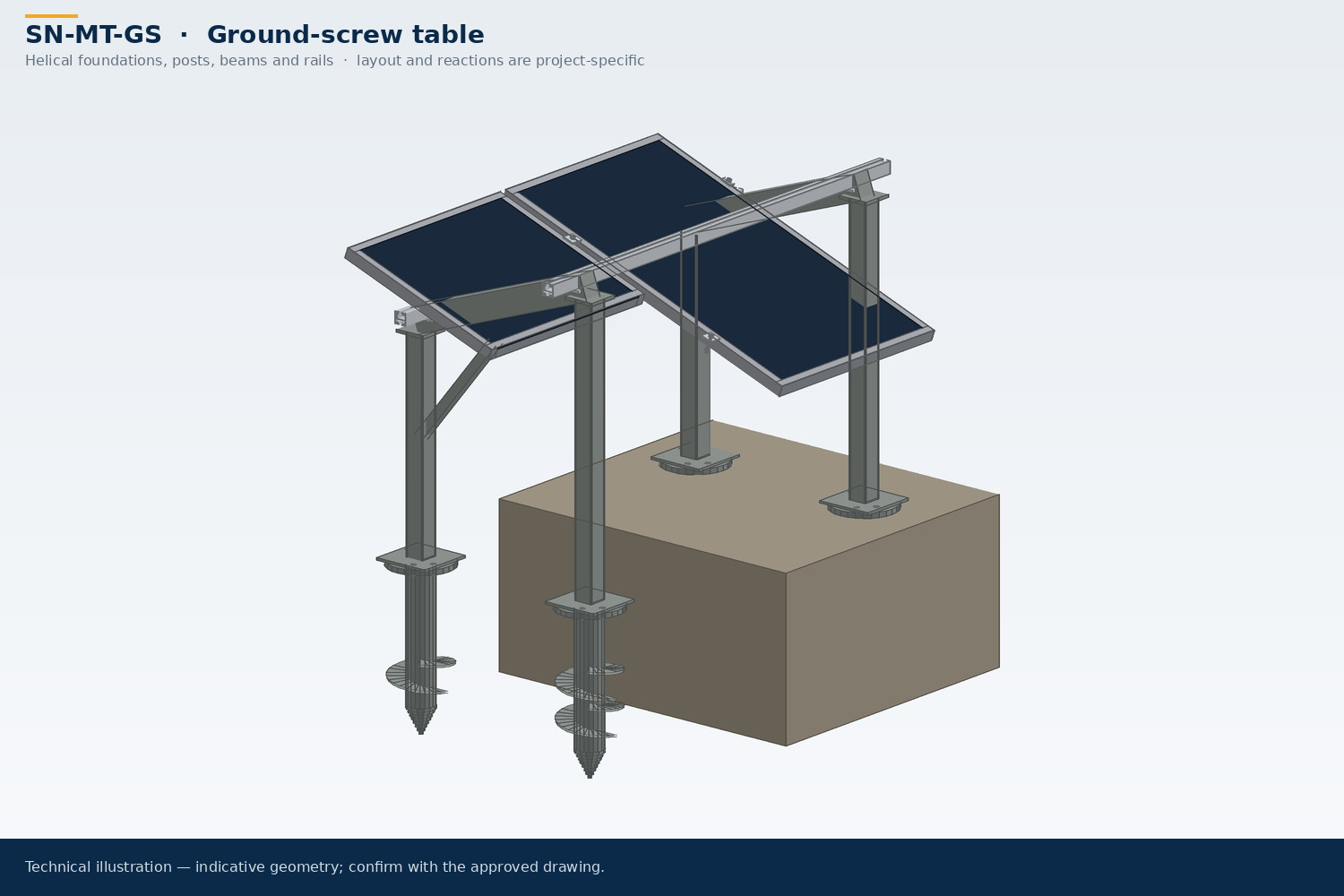
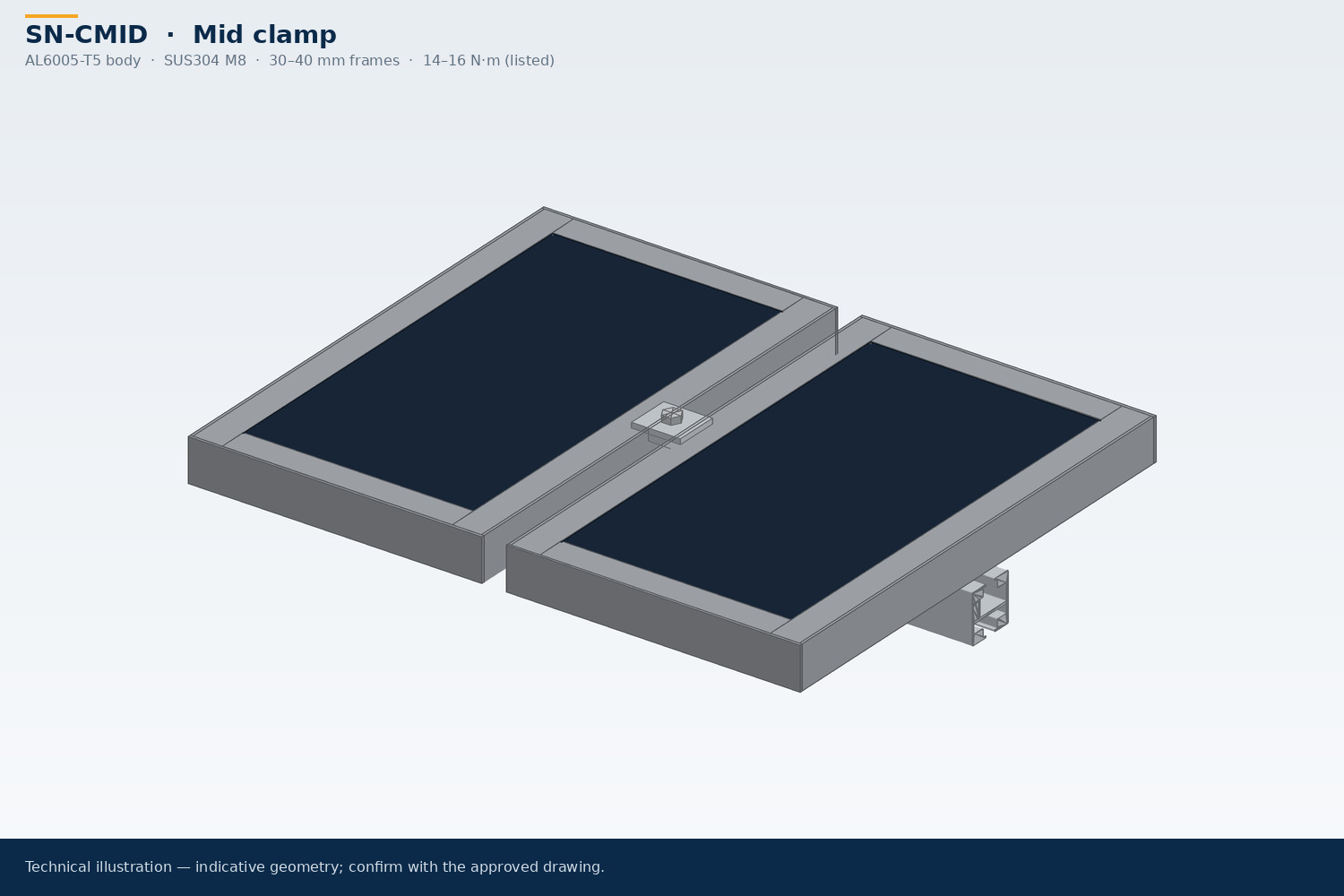
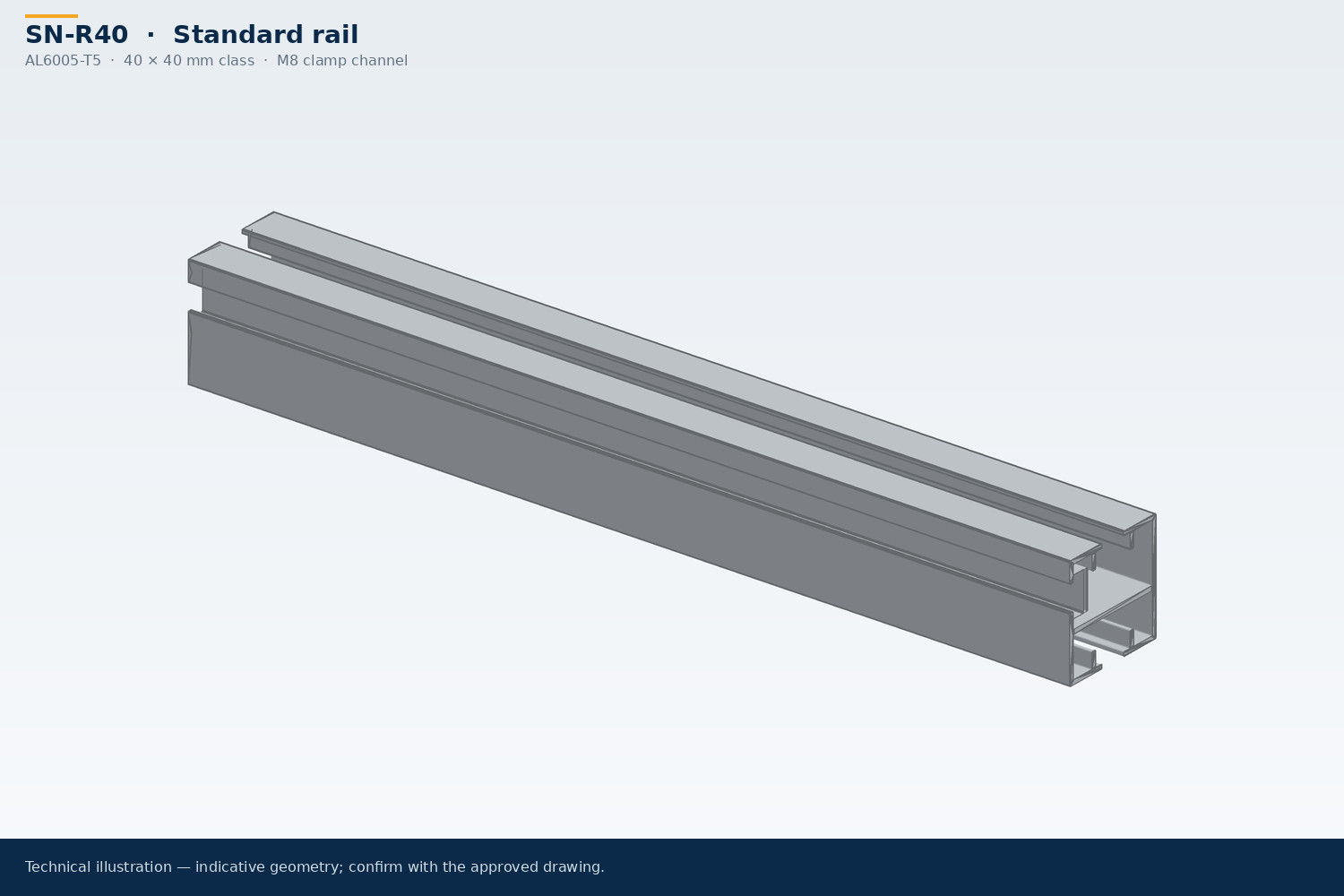
List the components you expect: supports, rails, clamps, splices, roof attachments, fasteners and bonding parts. Identify whether foundations, ballast, roof sealing materials or field-cut components belong to the supplier’s scope. Include a requirement for a coordinated bill of materials linked to the drawing revision.
For an existing mounting assembly, provide interface drawings and part references rather than a photograph alone. Materials, coating thicknesses and stainless fastener grades should be stated where the project requires them. Request explicit clarification of exclusions, substitute materials and any assembly steps that remain with the installer.
Specify documents and inspection
Request general arrangement drawings, installation instructions, material specifications and project calculation deliverables where required. Product certificates, declarations and test reports should identify their applicable models and scope. Avoid a general request for “all international certifications,” which may not describe the evidence your project actually needs.
Agree inspection points, dimensional checks, coating checks, traceability and packing records before production. If a third-party inspection is planned, identify the acceptance criteria and scheduling responsibilities. State whether samples or a trial assembly are needed and whether approval of those items is required before bulk manufacture begins.
Make delivery terms comparable
Include quantities, project phases, target delivery dates and the destination or port. Select the requested Incoterm and named place, and ask for packing dimensions, gross weight and container loading assumptions. Separate production readiness from transit time so a delivery promise does not hide an unreviewed shipping schedule.
Finally, request a list of assumptions and exceptions with each quotation. Compare scope completeness, engineering basis, documentation, inspection and logistics alongside the commercial response. SolarNova’s RFQ form captures the starting information; follow up with drawings and a technical schedule for a detailed review. Indicative catalog specifications should be confirmed in the agreed offer before any purchase or construction decision.
Close the clarification loop
Ask suppliers to return a marked list of pending inputs and a quotation revision reference. Assign an owner to each open question, particularly structural approval, roof sealing and foundation verification. Confirm that changes to the layout have reached the component schedule and packing plan. Contact us for payment terms; commercial terms are confirmed in the written quotation.
Contact SolarNova with your project brief, module datasheet and drawing package to request a mounting-material quotation with a clearly defined scope.